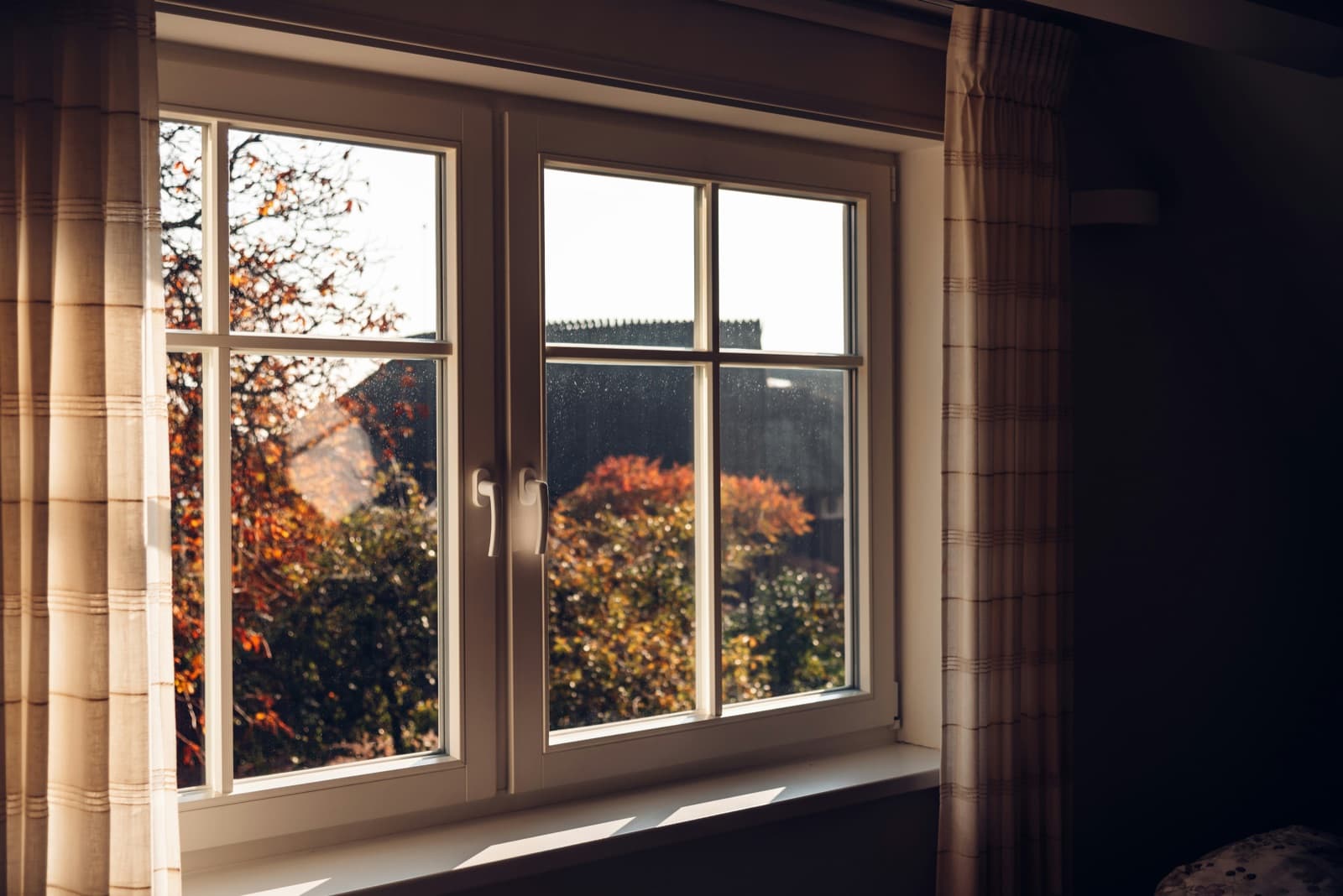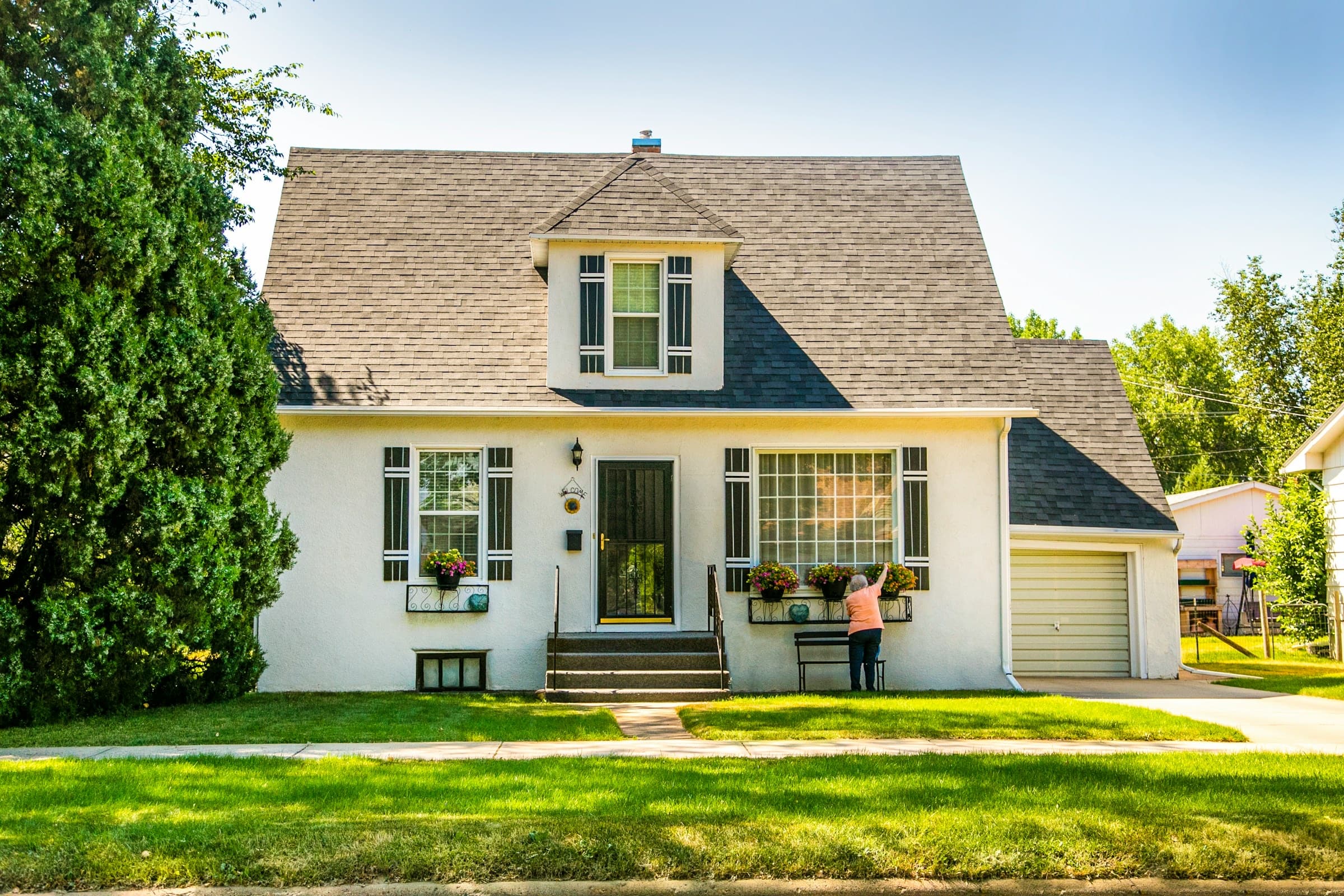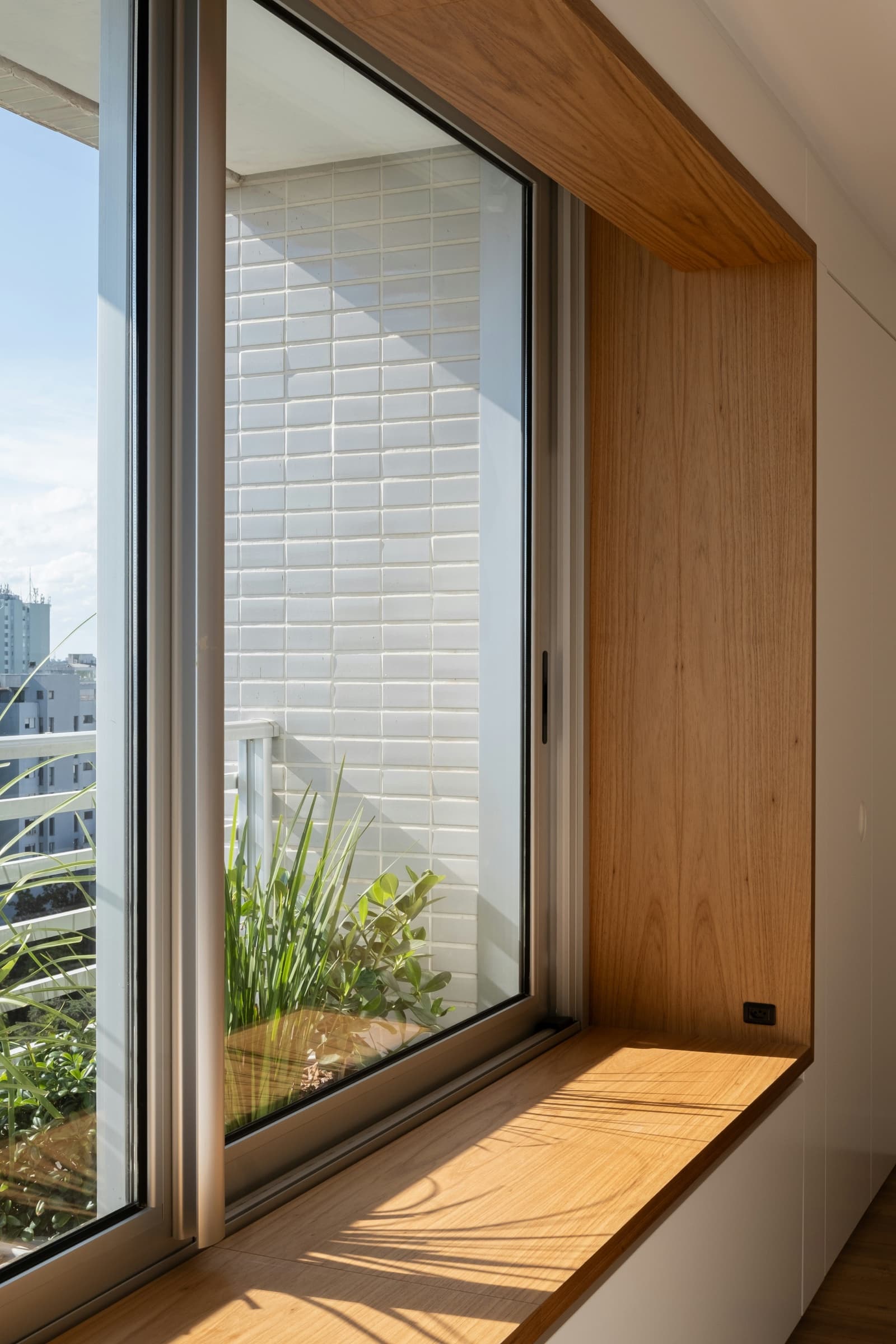
An impact window is a primary window system tested for defined impact and pressure conditions. A conventional storm window is a separate secondary layer over an existing primary window.
Impact window guide
Impact Windows vs. Storm Windows
Understand the difference between a primary impact-rated assembly and a secondary storm-window layer.Different assemblies
Different project goals
Impact replacement is selected for coastal protection, code, security, noise, and energy goals. Storm windows are often used for drafts, weather protection, seasonal screens, or preservation of existing windows.
Do not infer an impact rating
The word “storm” does not establish hurricane-impact performance. Only use documented ratings for the exact product, size, glass, frame, and installation.
Compare the full scope
Review opening condition, approvals, primary-window replacement, exterior appearance, installation, finish work, cost, maintenance, and long-term documentation.
Frequently asked questions about Impact Windows vs. Storm Windows
Topic-specific answers from this guide, followed by the ordering and project questions customers ask most often.
Can a storm window count as an impact window?
Only if that exact system has the required documented impact and pressure approvals for the project. A conventional secondary storm window should not be assumed to qualify.
What should I verify before using Impact Windows vs. Storm Windows to place an order?
An impact window is a primary window system tested for defined impact and pressure conditions. A conventional storm window is a separate secondary layer over an existing primary window. Use the guide to organize the decision, then verify the exact model, opening dimensions, glass, finish, pressure requirements, approval, anchors, substrate, freight, and field scope for the real project before fabrication begins.
Does Impact Windows vs. Storm Windows replace local approval or installation review?
No. The discussion of different assemblies provides a planning framework, but the project address, current permit criteria, building conditions, product documentation, and installation method still require project-specific review by the appropriate local professionals.
Can the recommendations in Impact Windows vs. Storm Windows be used for custom-size openings?
They can support early planning, but custom openings must remain within the selected system's documented size, glass, reinforcement, mullion, pressure, and installation limits. Final dimensions and configuration details should be approved before production.
What project information should I collect after reading Impact Windows vs. Storm Windows?
Create an opening-by-opening record with dimensions, photographs, desired operation, glass, finish, performance criteria, access, delivery needs, and installation scope. Use the compare the full scope section to identify the remaining questions that should be resolved in the quote or project review.