Southeast · 8 city guides

Southeast · 8 city guides

Southwest · 4 city guides

Southeast · 4 city guides
Southeast · 4 city guides

Southeast · 4 city guides
Southeast · 4 city guides

Southeast · 4 city guides
Southeast · 4 city guides

Southeast · 4 city guides

West · 4 city guides
Northeast · 4 city guides
Northeast · 4 city guides
Southeast · 4 city guides
Northeast · 4 city guides
Northeast · 4 city guides
Northeast · 4 city guides
Northeast · 4 city guides

West · 4 city guides

West · 4 city guides

Northeast · 4 city guides

Northeast · 4 city guides

West · 4 city guides

Southwest · 4 city guides

Southeast · 4 city guides

West · 4 city guides
Midwest · 4 city guides

Midwest · 4 city guides
Midwest · 4 city guides

Midwest · 4 city guides

Southeast · 4 city guides
Midwest · 4 city guides

Midwest · 4 city guides

Midwest · 4 city guides
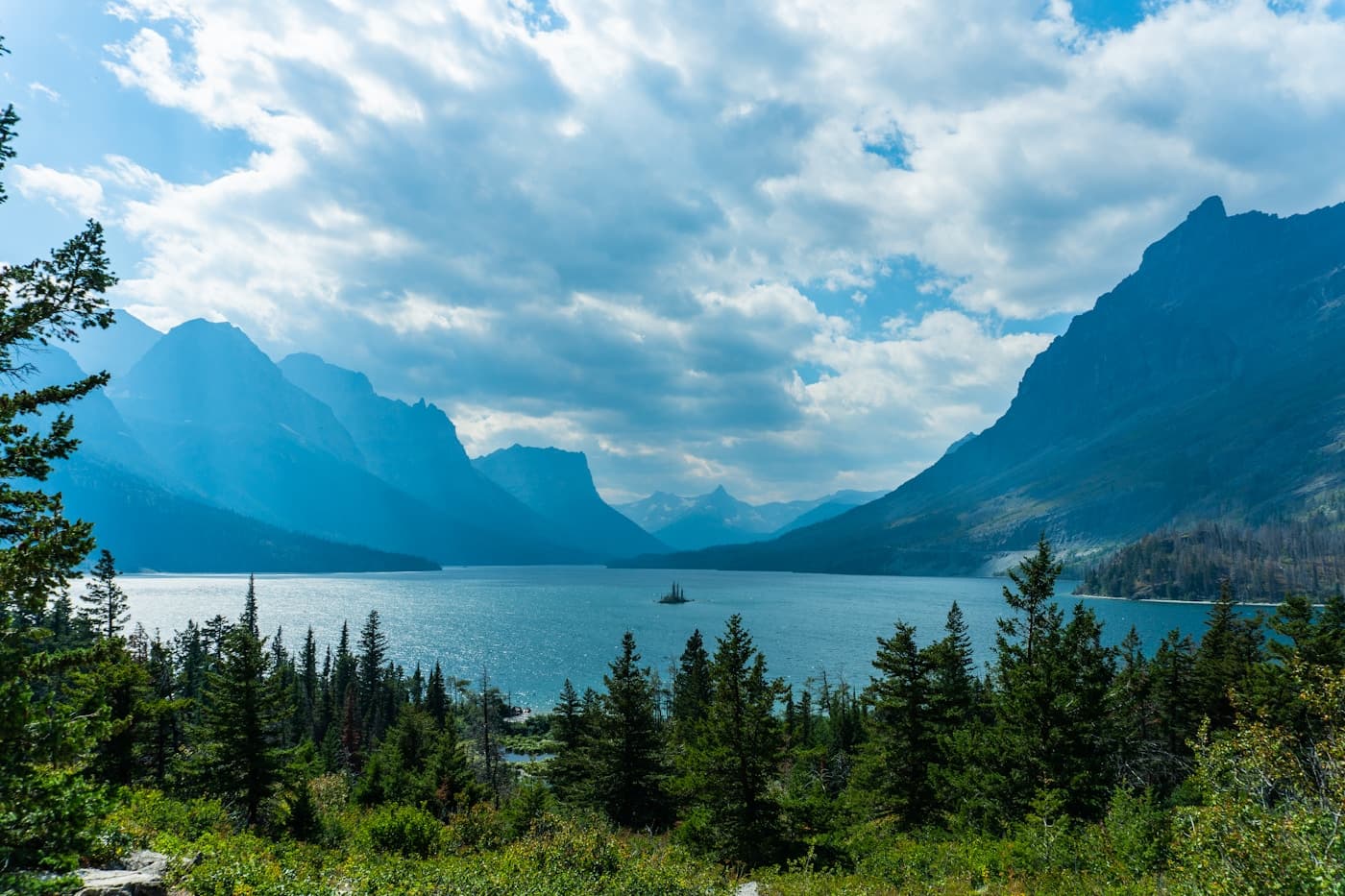
West · 4 city guides

Midwest · 4 city guides

West · 4 city guides
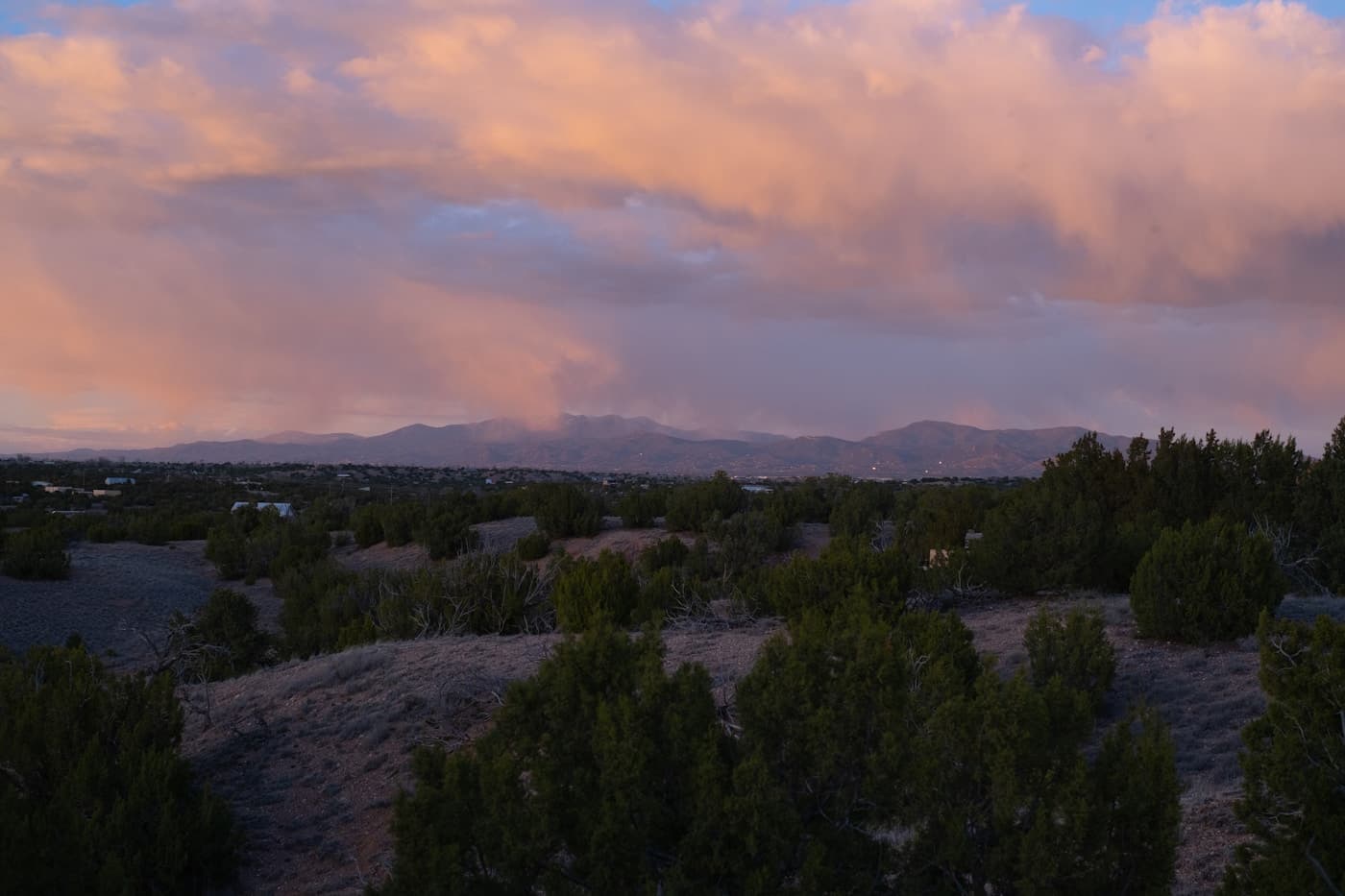
Southwest · 4 city guides

Midwest · 4 city guides
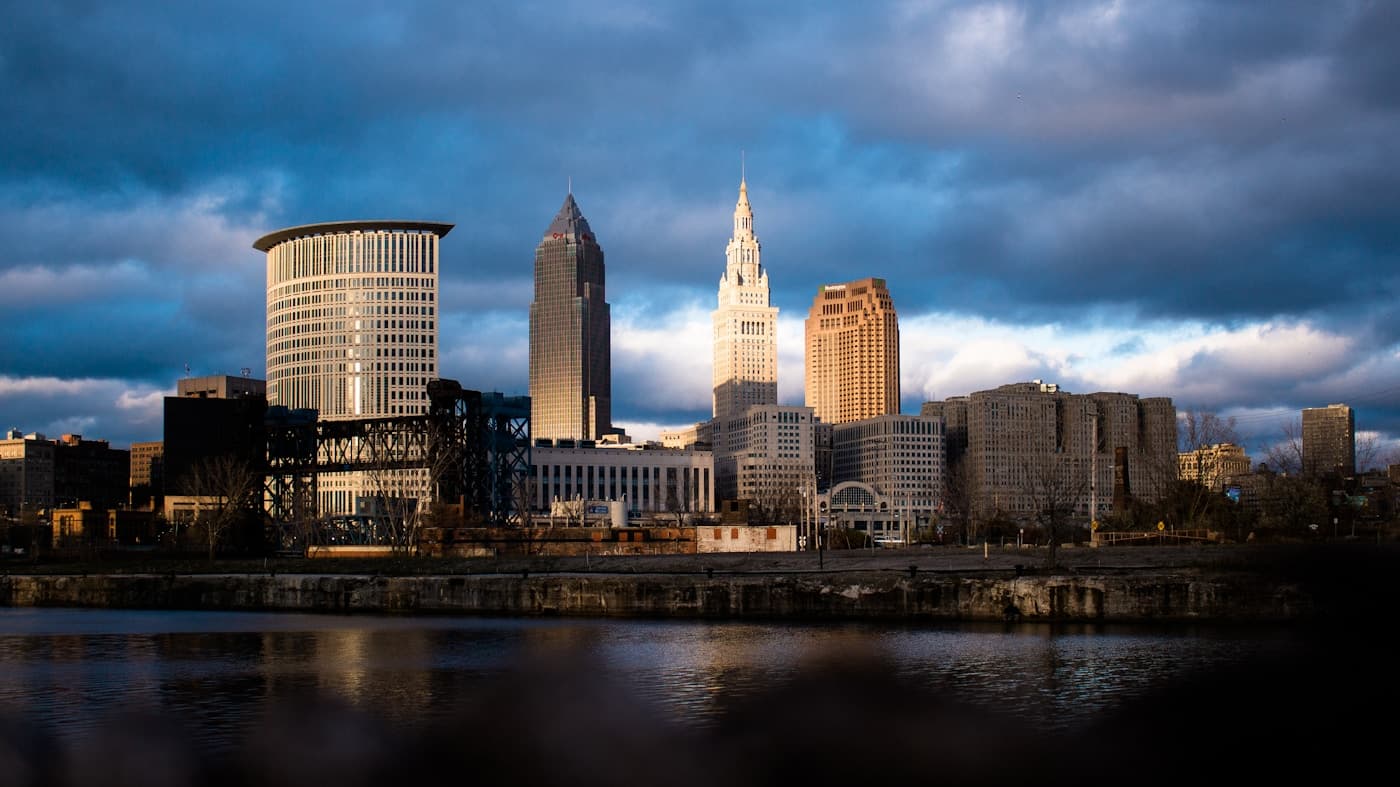
Midwest · 4 city guides

Southwest · 4 city guides

West · 4 city guides

Northeast · 4 city guides

Midwest · 4 city guides

Southeast · 4 city guides

West · 4 city guides
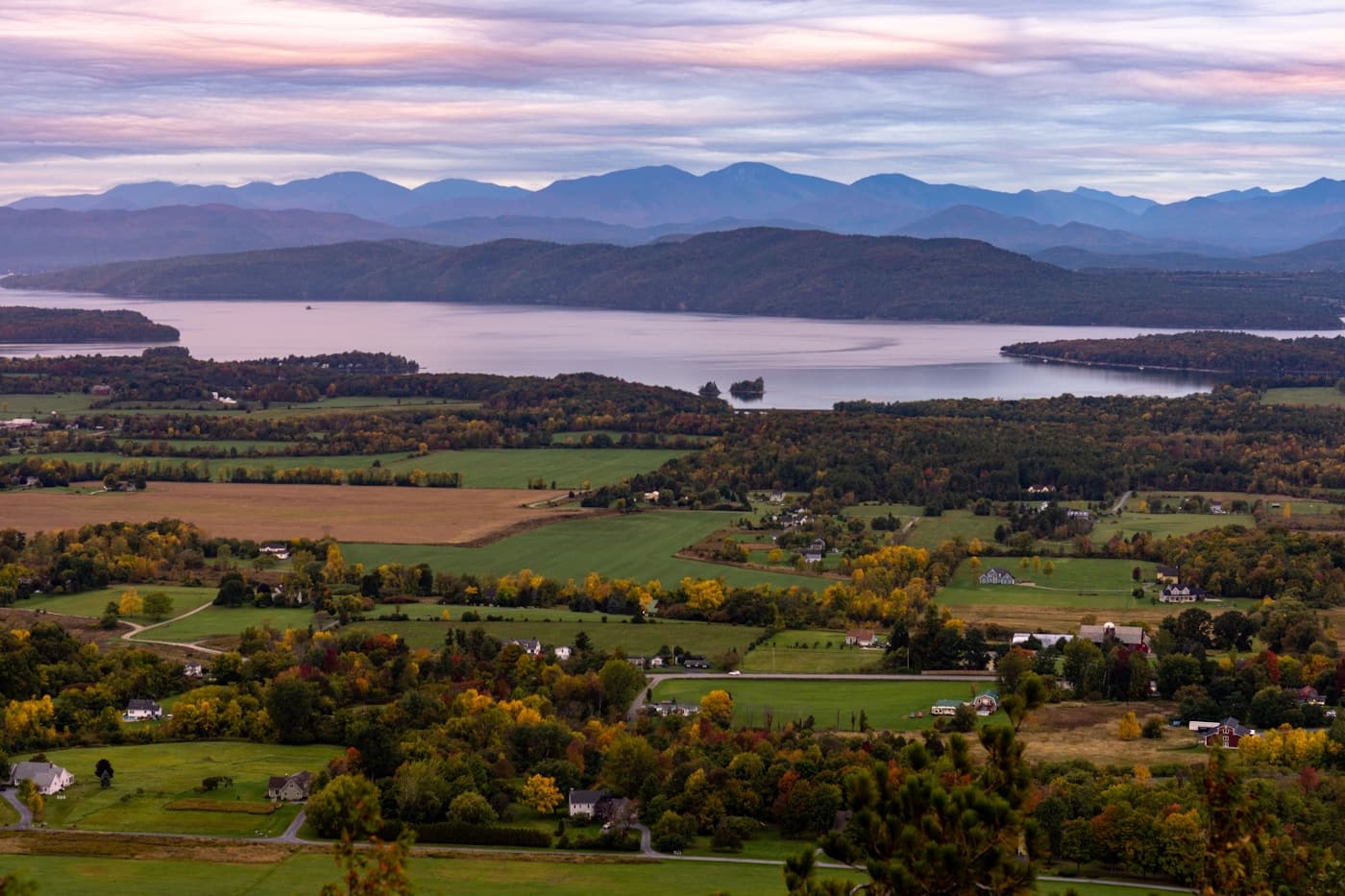
Northeast · 4 city guides

West · 4 city guides

Southeast · 4 city guides

Midwest · 4 city guides
West · 4 city guides
Direct answers about nationwide coordination, local context, installation coverage, and what to send.
Yes. Product and project coordination are available nationwide. The listed markets provide extra regional planning context; the exact delivery address, building, opening, freight, code, and installation scope still need confirmation.
No. City guides describe useful planning context. Current installation availability, field verification, access, permits, equipment, and site scope are confirmed separately for each project.
Send the project address, labeled opening schedule, dimensions, photos, quantities, preferred operation, glass and finish choices, performance criteria, access restrictions, and desired timing.
Yes. Requirements and project conditions can vary by jurisdiction, building type, height, exposure, occupancy, approval path, and design pressure. The project professionals and local authority confirm the final requirements.
We will compare the exact manufacturer, model, dimensions, configuration, glass, finish, pressure rating, quantity, delivery scope, warranty, and lead time, then provide our best verified price.