
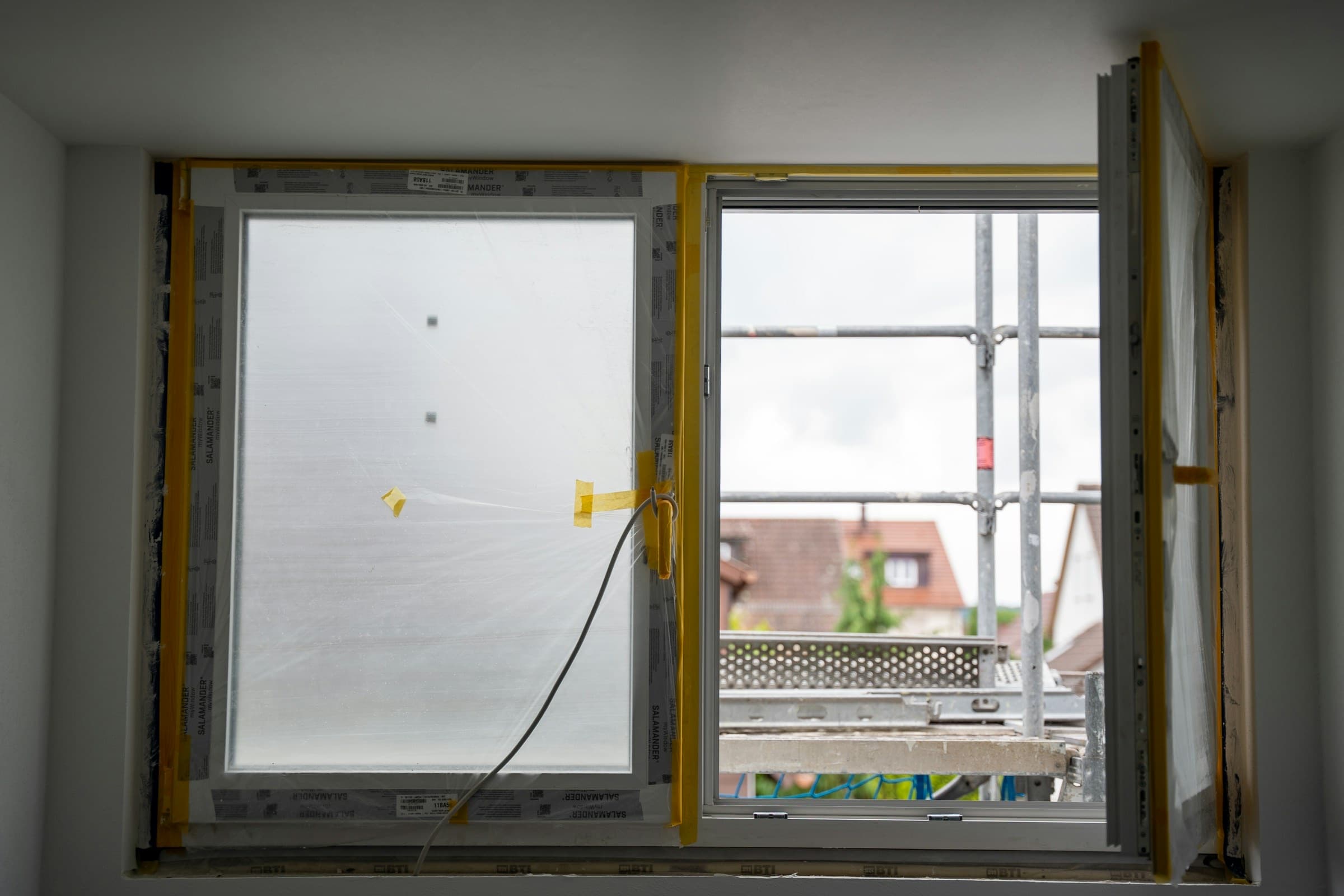
Impact window guide
A replacement window being installed in an open wall

Impact Window Installation Planning Guide

What owners, contractors, and project teams should resolve before removal, anchoring, sealing, inspection, and closeout.

Key takeaways

The decisions to resolve before you order

  • Confirm permits, approvals, pressures, and installation details before demolition.
  • Inspect the opening and plan for concealed damage, substrate repair, and water management.
  • Follow the exact anchor, spacing, edge-distance, shim, and sealant requirements.
  • Retain labels, photographs, inspection records, warranties, and the final opening schedule.

Before impact window removal begins

Verify the delivered unit against the opening ID, dimensions, operation, handing, glass, finish, and visible condition before removing the existing window. Confirm that the correct approval documents, anchors, sealants, flashing materials, shims, tools, lifting equipment, and temporary protection are available. Review the weather forecast and avoid exposing an opening without a workable dry-in plan.

Inside the building, protect floors, furniture, walls, occupants, and mechanical equipment from dust, glass, and debris. Outside, plan ladders, scaffolds, lifts, landscaping protection, pedestrian control, and safe glass handling. Condominiums and occupied buildings may add elevator reservations, working-hour limits, noise restrictions, and daily cleanup requirements.

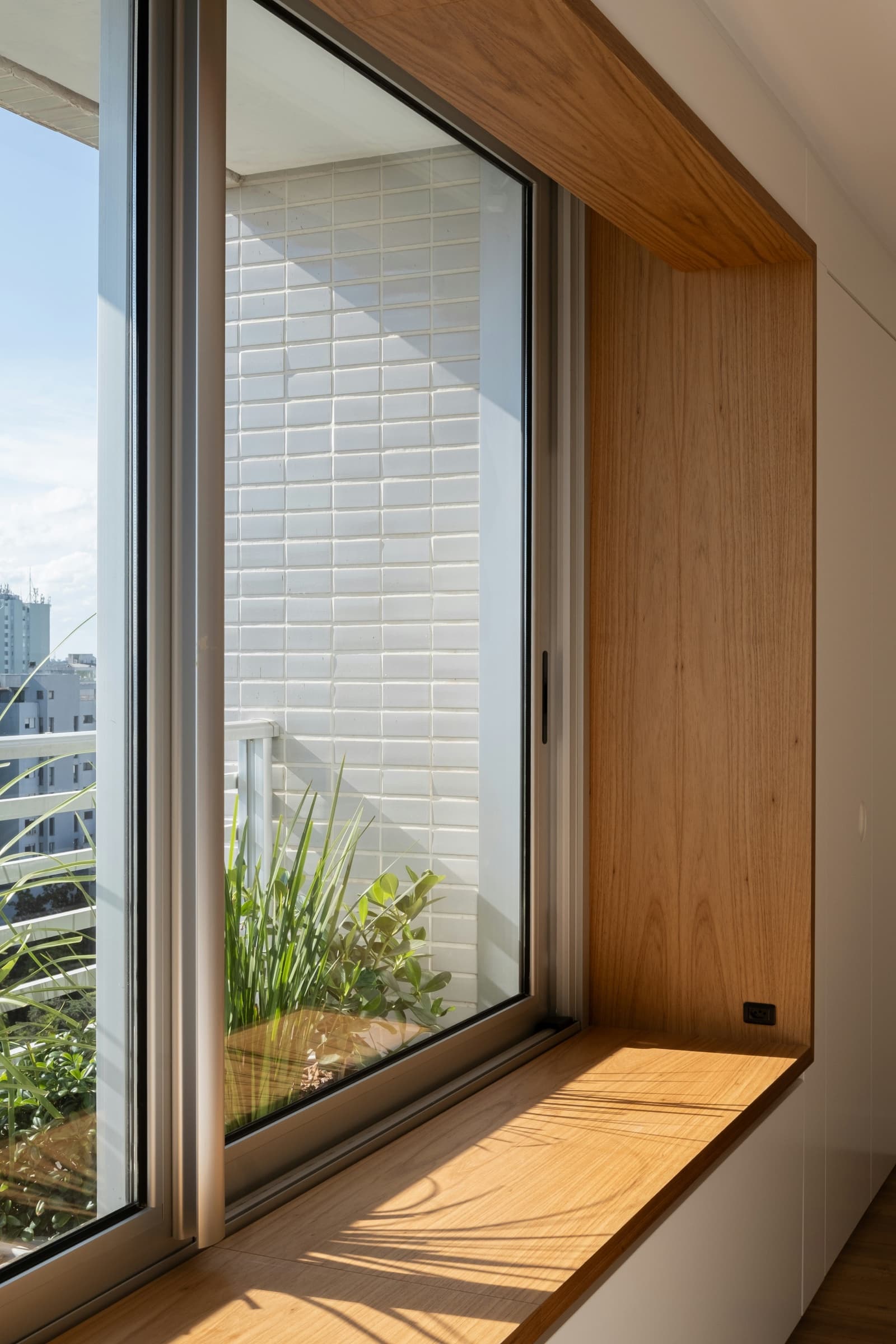
Anchoring, sealing, and water management

The approved installation identifies allowable substrates, anchor types, embedment, spacing, edge distance, and frame locations. Field crews should not substitute anchors or shift locations casually. Bucks, receptors, mullions, clips, straps, and reinforced zones must match the selected detail and opening condition.

Perimeter sealant is only one part of water management. The project may require sill pans, flashing transitions, end dams, backer rod, compatible primers, drainage paths, weep protection, and integration with stucco, siding, masonry, waterproofing, or interior finishes. Compatibility and joint geometry should be reviewed before materials are applied.

Impact window installation quality-control checklist

Inspect each opening before it is concealed or trimmed. The closeout record should make it possible to trace the installed unit, approval, anchors, inspection, warranty, and later service back to the original opening ID.

  • Confirm frame level, plumb, square, operation, locks, clearances, and glass condition.
  • Photograph substrate preparation, concealed flashing, anchors, shims, and labels.
  • Protect drainage paths and verify perimeter seals and finish transitions.
  • Complete permits, inspections, cleaning, care instructions, punch work, and owner acceptance.
Frequently asked questions

Frequently asked questions about Impact Window Installation Planning Guide

Topic-specific answers from this guide, followed by the ordering and project questions customers ask most often.

Is this guide a substitute for the product instructions?

No. It is a planning guide. The approved product documents, manufacturer instructions, permit documents, and qualified installer control the work.

How long does impact window installation take?

Duration depends on opening count, size, access, building type, demolition, repairs, weather, permits, inspections, finish work, and whether the building remains occupied. Ask for a sequence by opening or area rather than a generic daily rate.

Can impact windows be installed from inside?

Some work can be performed from the interior, but exterior access, perimeter sealing, flashing, inspection, and glass handling may still be required. The selected frame and installation detail control the approach.

Who should install impact windows?

Use qualified installers who can follow the approved product documents, manufacturer instructions, local licensing and permit requirements, and the project-specific water-management and finish scope.

What should I verify before using Impact Window Installation Planning Guide to place an order?

Confirm permits, approvals, pressures, and installation details before demolition. Use the guide to organize the decision, then verify the exact model, opening dimensions, glass, finish, pressure requirements, approval, anchors, substrate, freight, and field scope for the real project before fabrication begins.

Does Impact Window Installation Planning Guide replace local approval or installation review?

No. The discussion of before impact window removal begins provides a planning framework, but the project address, current permit criteria, building conditions, product documentation, and installation method still require project-specific review by the appropriate local professionals.

Can the recommendations in Impact Window Installation Planning Guide be used for custom-size openings?

They can support early planning, but custom openings must remain within the selected system's documented size, glass, reinforcement, mullion, pressure, and installation limits. Final dimensions and configuration details should be approved before production.

What project information should I collect after reading Impact Window Installation Planning Guide?

Create an opening-by-opening record with dimensions, photographs, desired operation, glass, finish, performance criteria, access, delivery needs, and installation scope. Use the impact window installation quality-control checklist section to identify the remaining questions that should be resolved in the quote or project review.

Have a lower written quote? Send it to us.

We will compare the exact manufacturer, model, dimensions, configuration, glass, finish, pressure rating, quantity, delivery scope, warranty, and lead time, then provide our best verified price.

Coastal view through a large impact window