State project guide
Scenic view of the Colorado mountains in Colorado

West

Impact Windows and Doors in Colorado

Impact windows and doors for projects across Colorado.

Impact window and door guides for Colorado cities

Shop impact windows and doors for Colorado projects.

Compare 21 ES models across 41 exact priced configurations for residential and commercial openings in Colorado. Review window operation, door layout, glass, finish, size, pressure requirements, freight, tax, and installation scope before production begins.

Buying impact windows in Colorado

A local product and ordering guide for Colorado

Colorado window and door projects should be selected around the local building, exposure, opening, and delivery conditions. This guide focuses on detached homes, townhomes, additions, replacement projects, and small commercial properties, with particular attention to coastal exposure, mountain weather, wildfire conditions, solar gain, wind, and local energy requirements. If one installer serves both Denver and Boulder, use distinct opening IDs and delivery contacts so crates, drawings, and hardware stay with the correct property. Quotes for Colorado Springs and Denver are easiest to compare when product, freight, tax, installation, permits, and finish work appear as separate line items.

Local project fit

Measure the property before choosing a model

Colorado is a west market, so an impact-window or impact-door order should begin with the building and the exact opening. Projects here may include detached homes, townhomes, additions, replacement projects, and small commercial properties. Each produces a different mix of frame depth, sightline, glass area, hardware, access, water management, and interior finish work. Colorado projects range from Denver, Colorado Springs, Boulder, Fort Collins and the surrounding communities. Those markets do not share one exposure, building type, or installation condition. A contractor pricing work in Denver and Colorado Springs should keep the opening schedules, permit assumptions, and delivery details separate instead of copying one job into the other.

Record every opening with a unique ID, width, height, operation, floor, elevation, wall or frame condition, sill condition, interior photograph, exterior photograph, and access note. State whether the measurement is a rough opening, existing frame, daylight opening, or another defined plane. In Colorado, that field record is what keeps the selected product, displayed price, final drawing, package label, and installation location connected. When comparing Colorado Springs with Fort Collins, use the same measurement labels and product fields so differences in size, glass, pressure, and scope are visible.

Product selection

Shop by operation, not by appearance alone

Single-hung and horizontal-roller windows can suit familiar residential layouts, while casements and awnings offer a different approach to ventilation and compression seals. Fixed windows maximize uninterrupted glass where ventilation is not needed. Sliding glass, swing, French, pivot, lift-and-slide, and bifold doors solve very different circulation and span requirements. For Colorado, choose the operation first, then compare ES models that can meet the opening size, pressure, glass, finish, and installation conditions. If one installer serves both Denver and Boulder, use distinct opening IDs and delivery contacts so crates, drawings, and hardware stay with the correct property.

Do not assume that two products with a similar photograph are interchangeable. Frame depth, vent arrangement, meeting rails, screen location, sill height, reinforcement, hardware, glass bite, drainage, mullion rules, finish availability, and maximum tested size can differ. A useful comparison for Colorado keeps those differences visible and separates required options from upgrades. If matching nearby openings matters, note the alignments and sightlines that must remain consistent across the elevation. Quotes for Colorado Springs and Denver are easiest to compare when product, freight, tax, installation, permits, and finish work appear as separate line items.

Shopping by project type

From one replacement window to a full opening schedule

For five or more residential openings in Colorado, consistent labels and photographs prevent repeated measuring and mismatched quote lines. Compare single-hung, roller, casement, awning, and fixed systems by room function, ventilation, egress, sightline, and the coastal exposure, mountain weather, wildfire conditions that matter at the property. Once a product family is chosen, place each opening beside the same glass, finish, screen, and hardware choices so upgrades are intentional and the cart reflects the complete project. Measurements collected in Denver should never be reused for a similar-looking opening in Fort Collins; each opening needs its own defined measurement plane.

Condominium, multifamily, hospitality, and commercial work in Colorado needs a different buying process from a single detached home. Record building access, floor, unit, work hours, protection requirements, loading arrangements, and the person authorized to receive freight. Repeated sizes can simplify drawings and packing, but only after they are field checked. A schedule that identifies true repeats and real exceptions keeps the Colorado quote readable for the owner, contractor, installer, and receiving team. Permit or association comments from a Colorado Springs project can inform questions for Boulder, but they do not replace the current requirements for the second address.

A wide glazed door opening in Colorado can change the freight, unloading, storage, and installation equipment required for the order. Show the panel count, active panel, handing, swing or stack direction, pocket condition, sill or threshold, lock preparation, screen, and adjacent fixed glass on an exterior-view sketch. Also measure the route from curb to opening. Crate length, glass weight, turning radius, floor protection, and lifting equipment can decide whether a selected door is practical for the site. A mixed order serving Boulder and Denver should separate product labels and packing lists by destination before the shipment leaves the warehouse.

A direct product purchase for Colorado works best when the customer and installer use the same opening schedule and approved configuration. The website can price documented configurations and collect custom dimensions, but the purchaser remains responsible for making sure the ordered system fits the project and can be accepted locally. Keep the quote, product documents, approved drawings, order acknowledgement, labels, delivery record, and installation photos under the same opening IDs so service questions can be traced later. When glass samples are reviewed for homes in Fort Collins and Boulder, compare them in the actual daylight and against the finishes that will remain at each property.


Glass and comfort

Glass choices for coastal exposure

Colorado product review can involve coastal exposure, mountain weather, wildfire conditions, solar gain, wind, and local energy requirements. Glass options worth comparing include laminated glass for security and exposed openings, insulating glass, solar-control Low-E coatings, and configurations coordinated with local energy, wildfire, or coastal requirements. Laminated glass is part of an impact-rated assembly, but the entire tested or approved configuration matters. The interlayer, lite thickness, insulating makeup, spacer, frame, reinforcement, size, and anchoring all affect what the documentation allows. Large door orders in Denver and Colorado Springs need independent checks of curb access, turning radius, equipment capacity, storage, and the final path to the opening.

Treat tint and Low-E selection as an interior decision as well as an exterior specification. Ask how the proposed glass changes visible light, reflected appearance, solar heat gain, color, privacy after dark, and compatibility with adjacent windows. Bedrooms, living areas, storefronts, shaded elevations, and large door openings may not need the same glass package. Samples are especially useful when a Colorado project combines replacement units with glass that will remain. For replacement work in Colorado Springs and Fort Collins, photographs of the sill, exterior finish, interior return, and existing water path help identify scope that a width and height cannot show.

Approvals and pressures

Confirm pressures and approvals before fabrication

Use the Colorado project address and current permit criteria to verify design pressures, glass, energy requirements, accepted documentation, installation details, and whether impact-rated glazing is required or optional. For Colorado, confirm the current jurisdiction, code edition, wind criteria, required positive and negative design pressures, exposure, building height, occupancy, opening location, safety-glazing rules, egress needs, energy requirements, and accepted product documentation. A statewide summary is useful for orientation, but it cannot approve a product for one address. For occupied properties in Denver and Boulder, work hours, protection, staging, elevator or gate access, and cleanup should be agreed before fabrication release.

Review the exact model, configuration, size, glass, reinforcement, mullions, fasteners, edge distances, substrate, and installation detail against the applicable documentation. A marketing phrase or model family does not prove that every size and option is eligible. If the opening falls outside a table or tested condition, resolve the alternative with the manufacturer and project professionals before ordering. Keep the accepted documents with the Colorado opening schedule for permitting, receiving, installation, and future service. Customers shopping from Colorado Springs and Denver can use the same online catalog, while final suitability remains tied to the building, address, opening, and selected configuration.

Prices and configurations

What changes the final window or door price

Online prices on this store correspond to specific models and documented configurations. Compare the exact width, height, operation, glass, finish, impact class, pressure, and included options before using a displayed amount as the basis for a Colorado budget. A custom opening can move to a different size band, glass makeup, reinforcement, layout, or system. Freight, tax, unloading, permits, removal, substrate repair, installation, trim, painting, and disposal also need to be identified rather than assumed. A product accepted for one address in Denver should not be assumed acceptable for a different address in Fort Collins; the project team should check both records.

For a fair comparison, place every seller on the same opening schedule and scope. One proposal may include screens, upgraded finish, insulating laminated glass, special hardware, engineering, packaging, or delivery services that another excludes. Quantity can change packaging and freight efficiency, but it does not make an unsuitable configuration acceptable. The most useful Colorado price is the one tied to a buildable product, a complete shipment, and a clearly assigned field scope. Freight to Colorado Springs and freight to Boulder can involve different routes, appointments, unloading equipment, and storage conditions, even within the same regional order.

  • Opening ID, exact size, quantity, operation, and handing
  • Frame, finish, glass makeup, tint, hardware, and screen
  • Required pressures, approval path, substrate, and installation detail
  • Freight destination, unloading method, storage, tax, and installation scope

Freight and receiving

Freight is part of the product decision

A finished window size is not enough to rate delivery. The shipment may include crates, racks, protective spacing, long frames or tracks, loose hardware, and non-stackable glass. For Colorado, receiving review should account for residential delivery access, liftgate or forklift needs, crate inspection, protected storage, and the distance from the truck to each opening. Confirm the destination type, receiving hours, appointment requirements, liftgate or forklift, equipment capacity, inspection area, and the protected route from the truck to storage. A homeowner in Denver may choose the same ES family as a project in Colorado Springs, but the ordered size, glass, reinforcement, finish, and anchoring still need their own review.

Choose who will receive the order and give that person the packing list, opening schedule, inspection steps, and claim instructions. Count pieces before the driver leaves, check crates for visible impact or water damage, photograph concerns, and note shortages or damage on the delivery record. Keep labels and packaging until every Colorado opening is matched. Curbside freight does not automatically include carry-in, stairs, elevators, unpacking, debris removal, or placement beside the opening. For projects spanning Colorado Springs and Fort Collins, confirm who receives each shipment and where the crates can remain protected until installation.

Installation planning

Installation scope and existing conditions

Existing conditions can change the installation even when the ordered frame is correct. Before release, inspect the substrate, buck or receptor, sill, flashing, drainage, perimeter sealant, exterior finish, interior return, nearby electrical or security devices, and evidence of prior leakage. The Colorado scope should state who handles removal, repair, preparation, anchors, sealants, trim, paint, protection, cleanup, permits, inspections, and testing. A mixed order serving Denver and Boulder should separate product labels and packing lists by destination before the shipment leaves the warehouse.

Product-only availability does not guarantee installation coverage at every address. If installation is part of the purchase decision, confirm the installer, licensing and insurance requirements, measurement responsibility, schedule, equipment, work hours, occupied-area protection, and warranty boundaries in writing. At completion, operate every vent and door, inspect alignment and drainage, retain labels and documents, photograph finished openings, and record any punch item before final signoff. When glass samples are reviewed for homes in Colorado Springs and Denver, compare them in the actual daylight and against the finishes that will remain at each property.

Order preparation

What to have ready before placing the order

Before checkout, assemble the Colorado project address, labeled opening schedule, measurements, photographs, product choices, glass and finish preferences, known pressures or approval criteria, access notes, freight needs, installation scope, and desired timing. Mark preliminary dimensions and unresolved decisions clearly. That package makes it possible to separate an order-ready configuration from a selection that still needs technical review. If pricing changes between Denver and Fort Collins, compare the actual configuration and delivery scope before treating the difference as a product markup.

Use the priced catalog when the displayed model and configuration match the project. Use the custom configurator when dimensions or options differ. For a multi-opening project, keep the schedule consistent instead of rebuilding each line from memory. The goal is simple: the product description, placed order, approved drawing, shipped label, and actual Colorado opening should all describe the same window or door. A service question is easier to resolve when the Colorado Springs and Boulder orders retain their original opening IDs, drawings, labels, delivery photographs, and installation records.

Before you buy

Have these details ready for a Colorado order

  1. 1

    Project address and current permit jurisdiction for Colorado

  2. 2

    Labeled opening schedule with measurement basis and clear photographs

  3. 3

    Preferred operation, glass, finish, hardware, screen, and appearance

  4. 4

    Positive and negative pressures plus the required approval path, when applicable

  5. 5

    Freight access, unloading equipment, inspection space, and protected storage

  6. 6

    Removal, preparation, installation, trim, permit, inspection, and cleanup responsibility

Frequently asked questions

Impact window and door questions in Colorado

Answers about impact-window requirements, prices, product selection, permits, custom sizes, delivery, and installation planning in Colorado.

Are impact windows required in Colorado?

Impact-window requirements in Colorado depend on the project address, jurisdiction, current code, wind criteria, building type, height, exposure, occupancy, opening location, and scope of work. Some projects require impact-rated opening protection, while others may allow different approved strategies. The local building authority and qualified project professionals should confirm the requirement before products are ordered.

How much do impact windows cost in Colorado?

Impact-window prices in Colorado vary by exact width and height, operation, frame, laminated or insulating laminated glass, Low-E coating, tint, finish, design pressure, approval, quantity, freight, unloading, permits, removal, substrate repair, installation, trim, and disposal. Compare the same opening schedule and complete scope instead of relying on a generic price per window.

What are the best impact windows for Colorado homes?

The best impact windows for a Colorado property are the approved systems that fit each opening’s operation, dimensions, required positive and negative pressures, substrate, installation method, energy target, architecture, and budget. In Colorado, product review should also consider coastal exposure, mountain weather, wildfire conditions, seismic detailing, solar heat gain, and local energy requirements. No single frame or glass package is best for every elevation or building.

Do impact windows in Colorado need a specific product approval or design pressure?

The accepted documentation and required design pressures must be confirmed for the exact Colorado address. Product eligibility can change with size, glass, reinforcement, mullions, anchors, substrate, building height, and opening location. Provide the required positive and negative pressures with the opening schedule, then verify that every quoted configuration remains within its current approval limits.

Can I order custom-size impact windows and doors for Colorado?

Yes. Custom-size impact windows and doors can be quoted for Colorado when the opening IDs, preliminary dimensions, photographs, desired operation, frame and wall conditions, glass, finish, pressure criteria, access, delivery, and installation scope are provided. Final field verification and configuration approval should occur before custom fabrication begins.

Does Impact Windows America ship impact windows to Colorado?

Impact Windows America coordinates product delivery to Colorado. Freight is reviewed using the finished crate dimensions and weight, shipment origin, destination, residential or commercial access, appointment needs, liftgate or unloading equipment, receiving hours, inspection area, and protected storage. Installation availability is confirmed separately for the project address.

Do I need a permit to replace windows or doors in Colorado?

Permit requirements in Colorado vary by jurisdiction, building, opening type, replacement method, structural work, association rules, and current code. Confirm whether permits, engineering, product approvals, notices, and inspections are required before demolition or fabrication. The proposal should state who prepares the submittal, pays fees, answers comments, and schedules inspections.

What should I send for an impact window quote in Colorado?

Send the Colorado project address, a labeled opening schedule, width and height measurements, interior and exterior photographs, quantities, desired operation and handing, frame and substrate conditions, glass and finish preferences, known pressure or approval criteria, floor and access notes, delivery restrictions, installation needs, and desired timing. Mark preliminary measurements and unknown conditions clearly.

Have a lower written quote? Send it to us.

We will compare the exact manufacturer, model, dimensions, configuration, glass, finish, pressure rating, quantity, delivery scope, warranty, and lead time, then provide our best verified price.

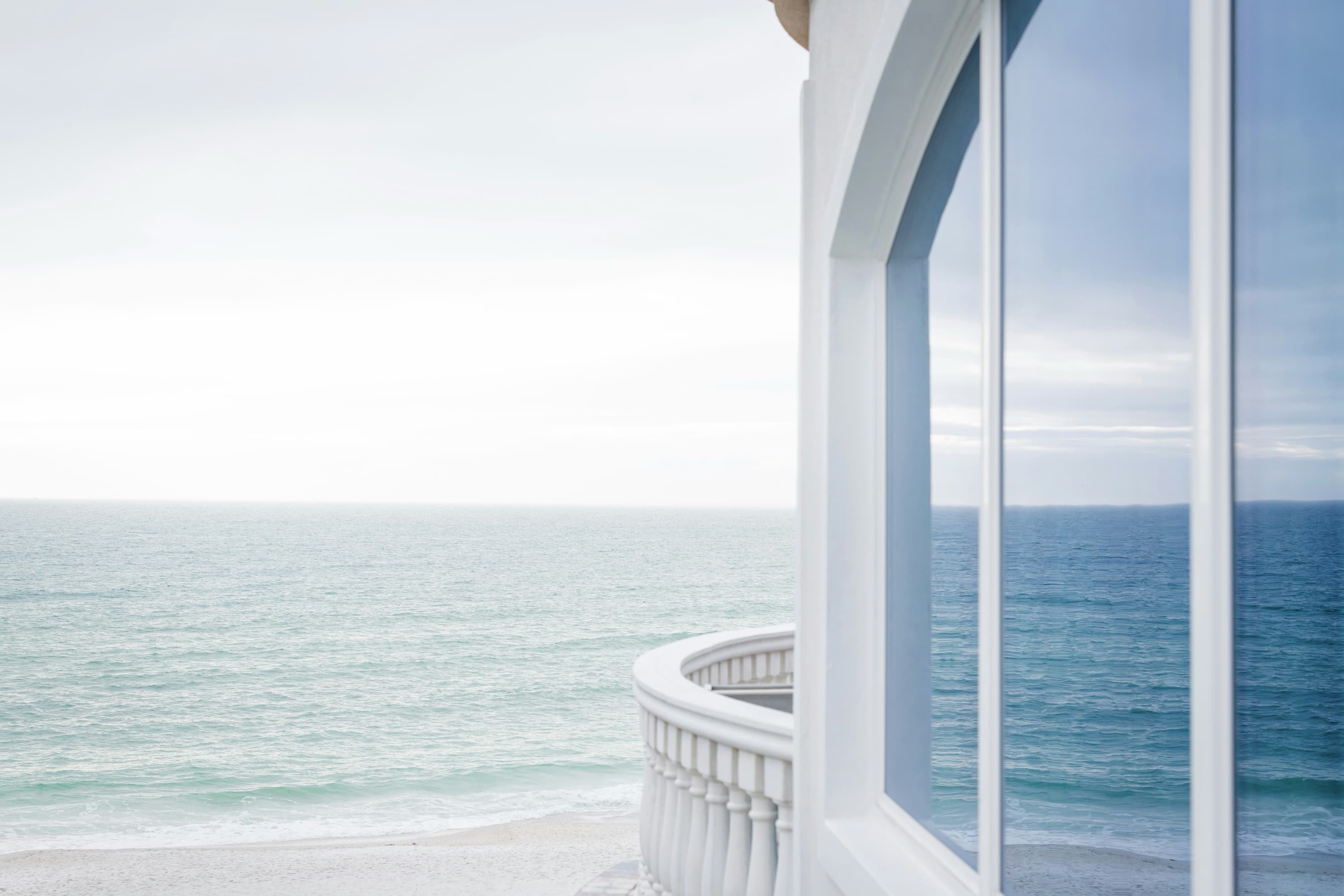
Coastal view through a large impact window