Impact window guide
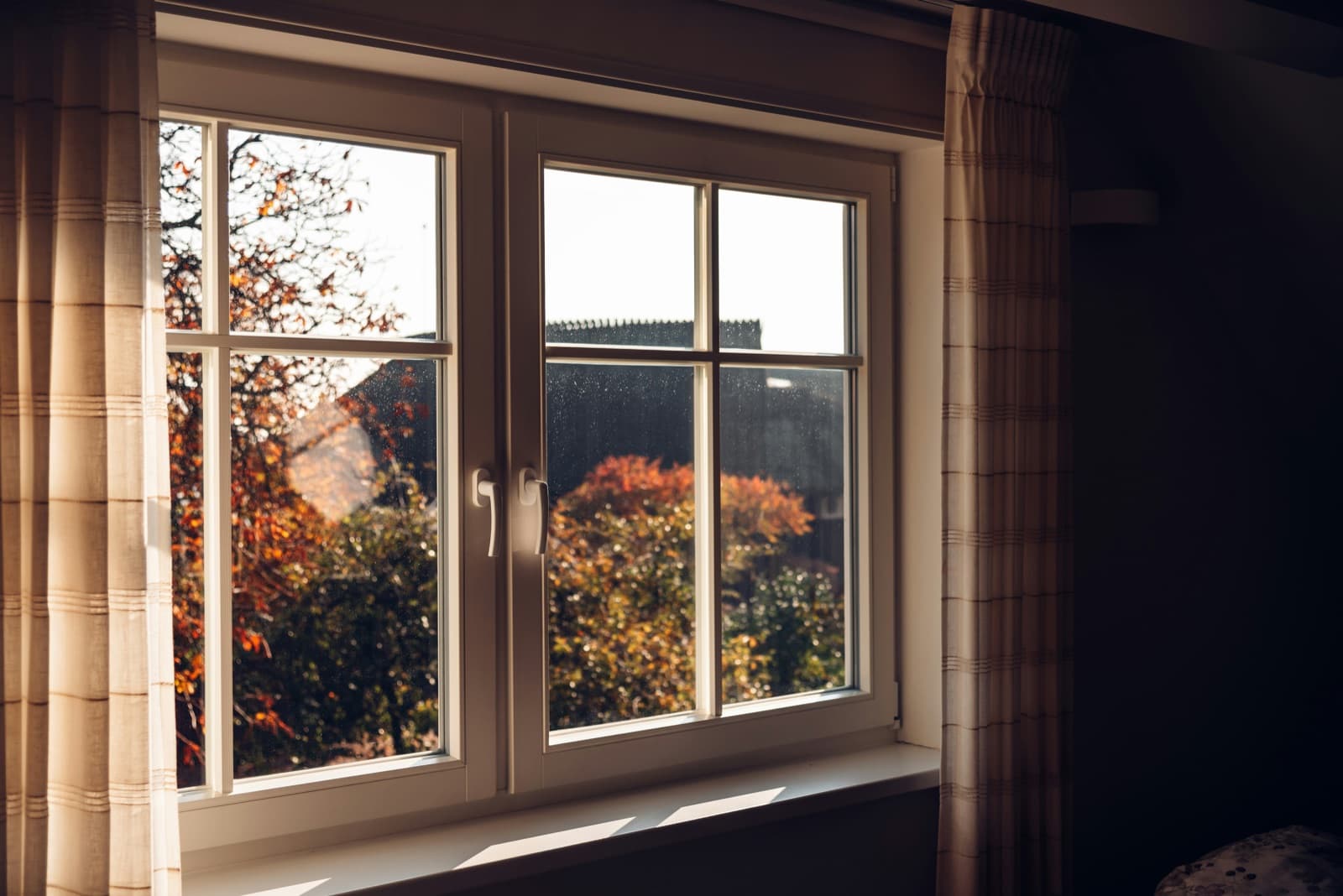
A coastal home with several impact window styles

Impact Window Styles and Types

Compare single-hung, double-hung, horizontal roller, casement, awning, fixed, picture, architectural, and storefront impact windows.

Key takeaways

The decisions to resolve before you order

  • Choose operation around ventilation, access, egress, furniture, and exterior clearance.
  • Compare frame sightlines and meeting rails as carefully as glass area.
  • Check maximum size and pressure tables for the exact style and configuration.
  • Use a coordinated mix of operable and fixed windows when the elevation benefits from it.

Single-hung, double-hung, and horizontal roller impact windows

Single-hung windows open vertically from the lower sash and remain familiar in many residential elevations. Double-hung designs allow both sashes to move when that option is available in an impact-rated product. Horizontal rollers move side to side, which can work well above counters, beside patios, and where an outward-swinging sash would interfere with a walkway or planting.

Meeting rails divide the view in different places. Before choosing, stand where furniture and countertops will be and note which rail falls near eye level. Check screen location, latch reach, cleaning access, egress dimensions, and how the open sash changes usable ventilation. Similar-looking windows can have very different frame depth and sightlines.

Casement, awning, fixed, and picture impact windows

Casement windows hinge at the side and can catch a breeze, but the sash needs exterior clearance and the crank must remain accessible. Awning windows hinge at the top and can provide controlled ventilation in smaller openings. Fixed and picture windows do not open, which can simplify the frame and preserve a broad view when ventilation or egress is handled elsewhere.

Large fixed glass can become the visual anchor of a room, while smaller operable units beside it provide air. Review mullion width, glass size, deflection, pressure, shading, cleaning access, and replacement logistics before turning several openings into one large composition. The cleanest drawing is not always the simplest piece to fabricate, ship, lift, or install.

Choosing impact window styles room by room

A bedroom may prioritize egress and simple operation. A kitchen window must clear faucets, counters, cabinets, and walkways. A bathroom may balance privacy, ventilation, and corrosion-resistant hardware. Stairwells and high openings need safe access for operation and cleaning. Use the room plan and exterior elevation together rather than repeating one style everywhere.

  • Record the desired ventilation and clear opening for each room.
  • Check interior handles, shades, counters, furniture, and cleaning access.
  • Check exterior walks, roofs, screens, shutters, landscaping, and maintenance access.
  • Confirm size, pressure, glass, egress, approval, and installation limits by opening.
Frequently asked questions

Frequently asked questions about Impact Window Styles and Types

Topic-specific answers from this guide, followed by the ordering and project questions customers ask most often.

What is the most popular impact window style?

Popularity varies by region and architecture. Single-hung and horizontal roller windows are common, while casement, awning, fixed, picture, and specialty shapes suit different rooms and design goals.

Which impact window style gives the clearest view?

A fixed or picture window often provides a broad uninterrupted view, but frame dimensions, maximum glass size, mullions, pressure requirements, and the need for ventilation can change the best choice.

Are casement impact windows better than single-hung windows?

Neither style is universally better. Casements, single-hung windows, and rollers serve different ventilation, clearance, cleaning, egress, architectural, and budget needs.

Can a house use several impact window styles?

Yes. A coordinated schedule can combine styles while keeping frame color, glass, sightlines, grids, and exterior proportions consistent.

What should I verify before using Impact Window Styles and Types to place an order?

Choose operation around ventilation, access, egress, furniture, and exterior clearance. Use the guide to organize the decision, then verify the exact model, opening dimensions, glass, finish, pressure requirements, approval, anchors, substrate, freight, and field scope for the real project before fabrication begins.

Does Impact Window Styles and Types replace local approval or installation review?

No. The discussion of single-hung, double-hung, and horizontal roller impact windows provides a planning framework, but the project address, current permit criteria, building conditions, product documentation, and installation method still require project-specific review by the appropriate local professionals.

Can the recommendations in Impact Window Styles and Types be used for custom-size openings?

They can support early planning, but custom openings must remain within the selected system's documented size, glass, reinforcement, mullion, pressure, and installation limits. Final dimensions and configuration details should be approved before production.

What project information should I collect after reading Impact Window Styles and Types?

Create an opening-by-opening record with dimensions, photographs, desired operation, glass, finish, performance criteria, access, delivery needs, and installation scope. Use the choosing impact window styles room by room section to identify the remaining questions that should be resolved in the quote or project review.

Have a lower written quote? Send it to us.

We will compare the exact manufacturer, model, dimensions, configuration, glass, finish, pressure rating, quantity, delivery scope, warranty, and lead time, then provide our best verified price.

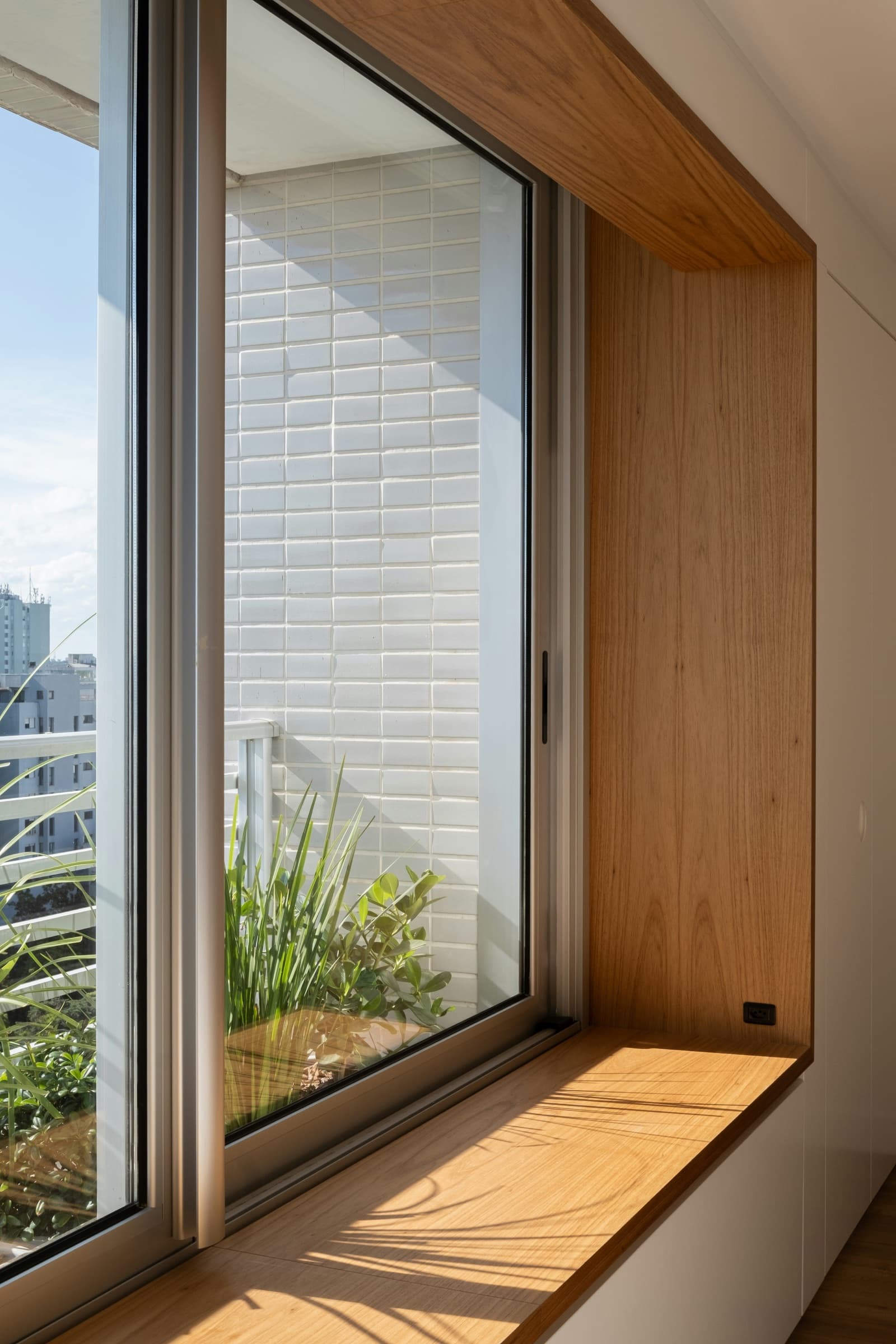
Coastal view through a large impact window