Impact window guide
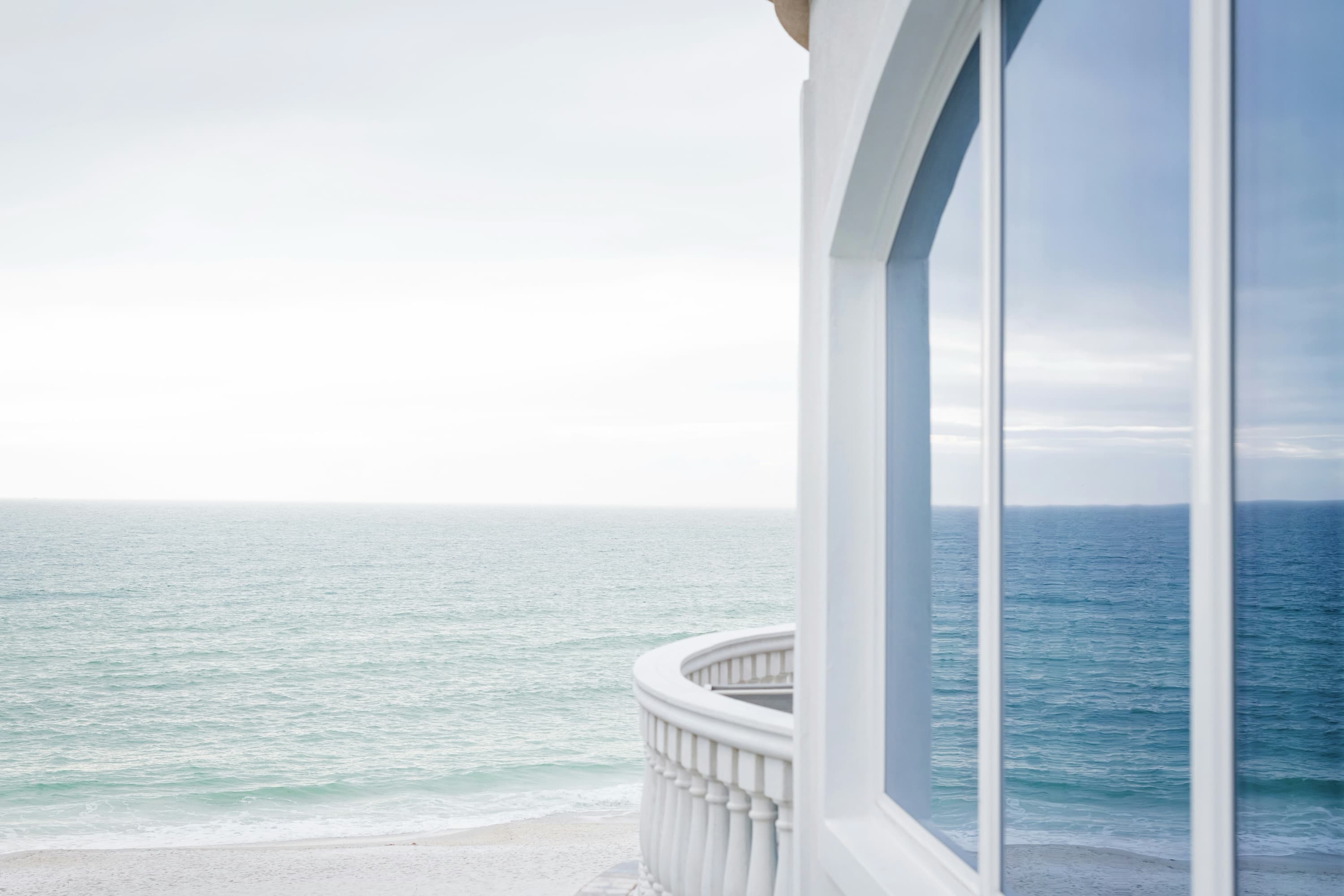
Coastal homes with broad windows facing open water

Impact Windows and Doors for Coastal Homes

Choose and maintain coastal impact windows and doors for wind, salt, wind-driven rain, solar exposure, views, hardware, finishes, and water management.

Key takeaways

The decisions to resolve before you order

  • Select every opening for the required impact, pressure, size, glass, frame, and installation condition.
  • Coordinate sills, flashing, perimeter joints, drainage, balconies, roofs, and adjacent walls.
  • Review glass tint, SHGC, visible light, reflectance, and views by orientation.
  • Follow coastal cleaning and maintenance requirements for frames, tracks, hardware, gaskets, and seals.

Wind and water planning for coastal windows and doors

Impact resistance and design pressure address defined structural test conditions, but the installed opening must also manage wind-driven rain. Review sill height, drainage, flashing, balcony or terrace slope, roof runoff, wall transitions, perimeter joints, weeps, and the way water moves across the facade.

Large sliding and folding doors deserve special attention at recessed or low thresholds. Finished floors, waterproofing, exterior drainage, pan details, door tracks, and interior finishes must be coordinated before the opening is built. A visually flush transition should not be improvised by burying a system in a way that defeats its tested or drainage configuration.

Coastal glass, color, hardware, and views

Ocean-facing glass can receive intense sun and reflected light. Compare the exact glass makeup, Low-E coating, tint, SHGC, visible transmittance, interior reflectance, and exterior appearance. A darker glass may reduce solar gain but also change nighttime views and the color of daylight inside.

Frame finish, handles, hinges, locks, rollers, fasteners, screens, and accessories may have different coastal-use requirements. Compare samples and written warranty terms for the exact product. Coordinate window and door families so adjacent finishes and hardware do not age differently by surprise.

Maintenance plan for impact windows near salt air

Salt deposits attract moisture and can collect in tracks, corners, hardware, screens, and drainage paths. Maintenance frequency should reflect actual exposure and manufacturer instructions rather than a generic annual routine.

  • Rinse and clean frames, glass, tracks, and hardware with approved methods.
  • Keep weeps and drainage paths open and remove sand or debris.
  • Inspect gaskets, rollers, locks, hinges, fasteners, sealants, and finish condition.
  • Record service, adjustments, replacement parts, leaks, storm damage, and warranty claims.
Frequently asked questions

Frequently asked questions about Impact Windows and Doors for Coastal Homes

Topic-specific answers from this guide, followed by the ordering and project questions customers ask most often.

Are darker impact-window frames suitable near the ocean?

They may be, depending on the finish system, exposure, manufacturer requirements, cleaning, heat, and warranty. Review an exact sample and written coastal limitations before ordering.

What are the best impact windows for coastal homes?

The best fit is the documented system that satisfies the opening size, pressure, impact, water, glass, finish, operation, installation, and maintenance requirements. There is no universal model for every coast or house.

How often should coastal impact windows be cleaned?

Follow the manufacturer’s current guidance and increase attention where salt, sand, spray, or pollutants accumulate quickly. Tracks, hardware, gaskets, and drainage paths need care in addition to glass.

Can impact windows stop all water during a hurricane?

No universal leakproof claim should be made. Water performance depends on the tested product, pressure, installation, perimeter details, wall and roof interfaces, drainage, maintenance, and storm conditions.

What should I verify before using Impact Windows and Doors for Coastal Homes to place an order?

Select every opening for the required impact, pressure, size, glass, frame, and installation condition. Use the guide to organize the decision, then verify the exact model, opening dimensions, glass, finish, pressure requirements, approval, anchors, substrate, freight, and field scope for the real project before fabrication begins.

Does Impact Windows and Doors for Coastal Homes replace local approval or installation review?

No. The discussion of wind and water planning for coastal windows and doors provides a planning framework, but the project address, current permit criteria, building conditions, product documentation, and installation method still require project-specific review by the appropriate local professionals.

Can the recommendations in Impact Windows and Doors for Coastal Homes be used for custom-size openings?

They can support early planning, but custom openings must remain within the selected system's documented size, glass, reinforcement, mullion, pressure, and installation limits. Final dimensions and configuration details should be approved before production.

What project information should I collect after reading Impact Windows and Doors for Coastal Homes?

Create an opening-by-opening record with dimensions, photographs, desired operation, glass, finish, performance criteria, access, delivery needs, and installation scope. Use the maintenance plan for impact windows near salt air section to identify the remaining questions that should be resolved in the quote or project review.

Have a lower written quote? Send it to us.

We will compare the exact manufacturer, model, dimensions, configuration, glass, finish, pressure rating, quantity, delivery scope, warranty, and lead time, then provide our best verified price.

Coastal view through a large impact window