Impact window guide
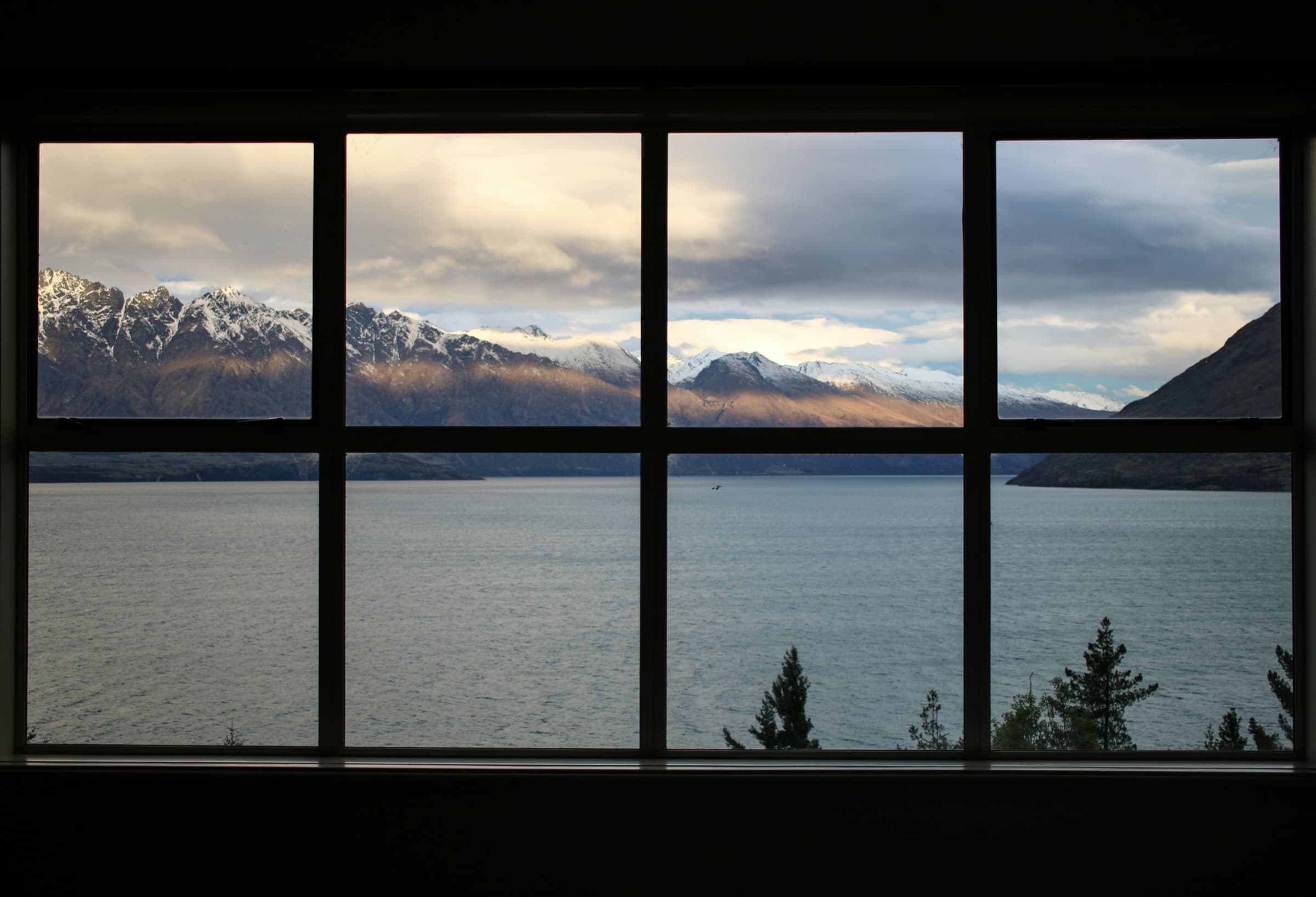
A multi-panel impact window overlooking mountains and water

Laminated and Insulating Laminated Impact Glass

Compare laminated, insulating laminated, Low-E, tint, interlayer, and thermal-performance choices.

Key takeaways

The decisions to resolve before you order

  • Laminated glass uses an interlayer to help retain fragments after breakage.
  • Insulating laminated glass adds an airspace and lite for thermal performance.
  • Low-E, tint, SHGC, U-factor, visible light, and appearance must be reviewed together.
  • Never substitute glass components without confirming the product approval and frame limits.

Monolithic laminated versus insulating laminated glass

A monolithic laminated unit bonds glass plies around an interlayer without a sealed insulating airspace. An insulating laminated unit combines a laminated component with another lite and sealed space. The insulating assembly is thicker and heavier, but it can improve whole-product U-factor and support a broader range of Low-E and solar-control options.

The best choice depends on climate, orientation, code, frame compatibility, pressure, acoustics, appearance, and budget. Compare whole-product ratings for the exact frame and glass combination. Center-of-glass claims do not describe edge effects, frame conductance, spacers, or air leakage.

Low-E coatings, tint, SHGC, and visible light

Solar heat gain coefficient describes the fraction of incident solar energy admitted through the complete product. Visible transmittance describes visible light. Low-E coatings and tint can lower solar gain, but they also change reflectance, exterior color, interior color, daylight, and how adjacent windows match.

Review samples and documented values under the intended orientation and lighting. Large west-facing openings may need a different solar strategy than shaded or north-facing glass. If different makeups appear on the same elevation, confirm that color and reflectance remain acceptable from both inside and outside.

Impact glass specification checklist

Write the exact glass makeup into the opening schedule and order acknowledgement. Generic labels such as clear, tinted, Low-E, or impact are not precise enough for fabrication review.

  • Glass ply thickness, heat treatment, laminated component, interlayer, and overall thickness.
  • Insulating airspace, spacer, gas fill when applicable, Low-E coating, and coating surface.
  • Tint, visible transmittance, SHGC, U-factor, safety glazing, and edge requirements.
  • Approved frame, size, pressure, glazing method, compatibility, warranty, and cleaning instructions.
Frequently asked questions

Frequently asked questions about Laminated and Insulating Laminated Impact Glass

Topic-specific answers from this guide, followed by the ordering and project questions customers ask most often.

Is thicker impact glass always better?

Not as a general rule. The correct makeup is the one documented for the selected frame, size, pressure, and approval.

Does laminated impact glass block noise?

Laminated construction can improve sound control compared with some basic glass makeups, but results depend on glass thickness, asymmetry, airspace, frame, seals, installation, and the frequency of the noise. Review tested acoustic data when sound is a project requirement.

Can impact glass have a Low-E coating?

Yes, many approved systems offer Low-E laminated or insulating laminated options. Availability, coating surface, tint, performance, size, and pressure limits depend on the exact frame and approval.

Why does impact glass sometimes look different from regular glass?

Interlayers, heat treatment, tint, Low-E coatings, thickness, reflectance, and fabrication tolerances can affect color and visual quality. Review samples and manufacturer standards before ordering large or highly visible areas.

What should I verify before using Laminated and Insulating Laminated Impact Glass to place an order?

Laminated glass uses an interlayer to help retain fragments after breakage. Use the guide to organize the decision, then verify the exact model, opening dimensions, glass, finish, pressure requirements, approval, anchors, substrate, freight, and field scope for the real project before fabrication begins.

Does Laminated and Insulating Laminated Impact Glass replace local approval or installation review?

No. The discussion of monolithic laminated versus insulating laminated glass provides a planning framework, but the project address, current permit criteria, building conditions, product documentation, and installation method still require project-specific review by the appropriate local professionals.

Can the recommendations in Laminated and Insulating Laminated Impact Glass be used for custom-size openings?

They can support early planning, but custom openings must remain within the selected system's documented size, glass, reinforcement, mullion, pressure, and installation limits. Final dimensions and configuration details should be approved before production.

What project information should I collect after reading Laminated and Insulating Laminated Impact Glass?

Create an opening-by-opening record with dimensions, photographs, desired operation, glass, finish, performance criteria, access, delivery needs, and installation scope. Use the impact glass specification checklist section to identify the remaining questions that should be resolved in the quote or project review.

Have a lower written quote? Send it to us.

We will compare the exact manufacturer, model, dimensions, configuration, glass, finish, pressure rating, quantity, delivery scope, warranty, and lead time, then provide our best verified price.

Coastal view through a large impact window