Impact window guide
Bright coastal view through a large window

Low-E Glass and SHGC for Hot-Climate Impact Windows

Understand solar heat gain, U-factor, visible light, tint, orientation, laminated glass, and whole-product ratings.

Key takeaways

The decisions to resolve before you order

  • Use whole-product U-factor and SHGC, not center-of-glass claims alone.
  • Lower SHGC reduces admitted solar heat, but daylight and appearance also change.
  • Review orientation, shading, glazing area, tint, reflectance, and visible transmittance.
  • Keep the selected glass makeup tied to each opening and approved frame configuration.

U-factor, SHGC, and visible transmittance

U-factor describes heat transfer through the complete product, while SHGC describes the fraction of incident solar energy admitted. Visible transmittance describes how much visible light passes through. Air leakage, frame conductance, edge conditions, spacers, glass, coatings, and construction all contribute to real window performance.

A lower number is not universally better for every metric. Hot, sunny exposures often benefit from reduced solar gain, while daylight, winter conditions, views, color, reflectance, and mechanical design can change the preferred balance. Use project targets and exact product ratings rather than a generic energy-efficient label.

Choosing Low-E impact glass by orientation

West- and east-facing glass can receive intense low-angle sun. South-facing performance depends on latitude and seasonal shading, while north-facing openings may receive less direct sun. Overhangs, neighboring buildings, trees, screens, exterior shading, and interior treatments also affect the result.

Large doors and window walls can dominate solar gain even when their glass is efficient. Review the entire elevation and the ratio of glass to wall. If different glass packages are used by orientation, coordinate exterior color and reflectance so the building does not develop unintended visual differences.

Low-E impact window selection checklist

Compare documented values and samples for the exact frame, size, and glass makeup before the order is released.

  • Whole-product U-factor, SHGC, visible transmittance, air leakage, and code target.
  • Laminated or insulating laminated construction, Low-E coating, surface, tint, and spacer.
  • Orientation, shading, glazing area, room use, comfort, daylight, and mechanical design.
  • Approved size, pressure, frame compatibility, appearance, warranty, and cleaning requirements.
Frequently asked questions

Frequently asked questions about Low-E Glass and SHGC for Hot-Climate Impact Windows

Topic-specific answers from this guide, followed by the ordering and project questions customers ask most often.

Is the lowest SHGC always best?

No. Lower solar gain can help in hot, exposed conditions, but daylight, appearance, winter conditions, shading, orientation, code, and whole-building design also matter.

What SHGC is best for impact windows in Florida?

There is no single value for every project. Current code, climate zone, orientation, shading, glazing area, frame, glass, comfort goals, and whole-building design should determine the target.

Does Low-E glass make a room darker?

It can change visible transmittance, color, and reflectance, but the effect depends on the coating and tint. Compare documented values and physical samples under representative light.

Can different elevations use different impact glass?

Yes, when the selected frames and approvals allow the specific makeups. Coordinate performance, appearance, pressure, fabrication, and the opening schedule carefully.

What should I verify before using Low-E Glass and SHGC for Hot-Climate Impact Windows to place an order?

Use whole-product U-factor and SHGC, not center-of-glass claims alone. Use the guide to organize the decision, then verify the exact model, opening dimensions, glass, finish, pressure requirements, approval, anchors, substrate, freight, and field scope for the real project before fabrication begins.

Does Low-E Glass and SHGC for Hot-Climate Impact Windows replace local approval or installation review?

No. The discussion of u-factor, shgc, and visible transmittance provides a planning framework, but the project address, current permit criteria, building conditions, product documentation, and installation method still require project-specific review by the appropriate local professionals.

Can the recommendations in Low-E Glass and SHGC for Hot-Climate Impact Windows be used for custom-size openings?

They can support early planning, but custom openings must remain within the selected system's documented size, glass, reinforcement, mullion, pressure, and installation limits. Final dimensions and configuration details should be approved before production.

What project information should I collect after reading Low-E Glass and SHGC for Hot-Climate Impact Windows?

Create an opening-by-opening record with dimensions, photographs, desired operation, glass, finish, performance criteria, access, delivery needs, and installation scope. Use the low-e impact window selection checklist section to identify the remaining questions that should be resolved in the quote or project review.

Have a lower written quote? Send it to us.

We will compare the exact manufacturer, model, dimensions, configuration, glass, finish, pressure rating, quantity, delivery scope, warranty, and lead time, then provide our best verified price.

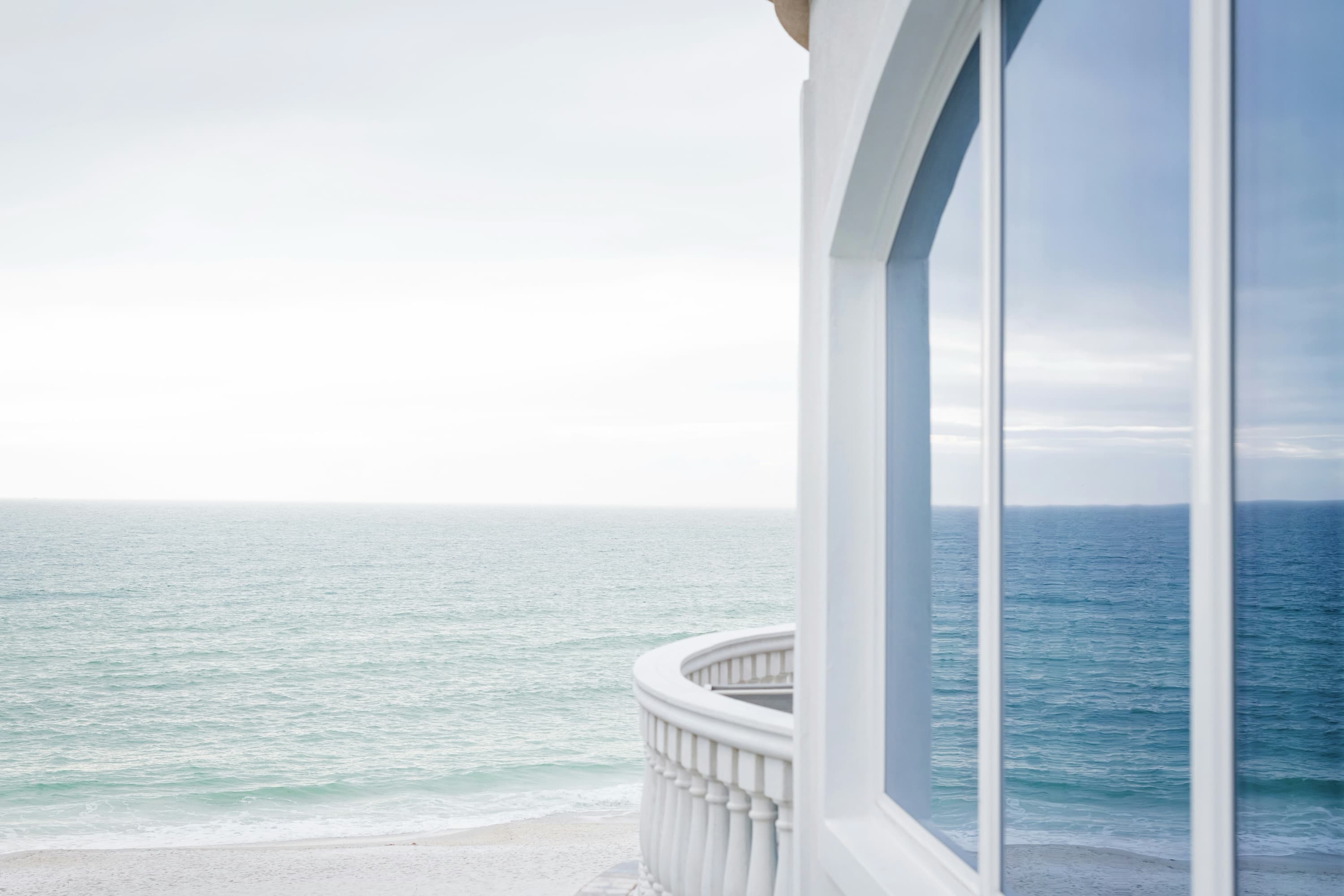
Coastal view through a large impact window